Kimchi Fried Rice (Kimchi-bokkeumbap)

This is my go-to recipe if I'm craving comfort food and want something quick and easy. It's so simple and yet is packed full of flavor. Honestly, I rarely order takeaways anymore... There is no need and it seems like a waste when you have fried rice ingredients lying around in the fridge. This is my favorite way to use up leftovers. And it is by far the healthier option to greasy takeout.
What is Kimchi Fried Rice?
Kimchi fried rice, also known as "kimchi bokkeumbap" is a popular Korean dish that combines kimchi and fried rice. Kimchi itself is a traditional Korean fermented vegetable dish, typically made from napa cabbage, along with various seasonings like red pepper flakes, garlic, ginger, and salt. Kimchi is a staple in Korean cuisine and has a long history, dating back hundreds of years.
The origins of kimchi fried rice are a bit less clear, as it is a relatively modern fusion dish that likely emerged in the mid-20th century as Korean cuisine was evolving. It's believed to have been created as a way to repurpose leftover rice and kimchi. Over time, it became a popular comfort food and a quick, easy, and delicious meal to make at home.
What does Kimchi Fried Rice taste like?
An addictive balance of umami, spicy, and tangy flavors. Kimchi gets its sourness from the fermentation process in undergoes. The longer you leave it, the more tangy it becomes. So depending on your personal preferences, you can customize your fried rice by adding a more mature and funky kimchi for a lip smacking kick, or a fresher kimchi for a cleaner finish.
Customize your recipe
Make it plant-based or halal-friendly by leaving out the pork and eggs. However, it is entirely up to you! You can also dress it up by adding beef, prawns and chicken.
If you want to make a vegetarian kimchi fried rice, use a premium vegan kimchi. I prefer to use Jonga. Of course, you can also make vegan Kimchi, which is well worth the effort. You can find many Korean vegan and vegetarian recipes in my books here.
What to Eat Kimchi Fried Rice With?
Koreans enjoy kimchi bokkeumbap for breakfast, lunch, dinner, as a snack or a side... You can pair it with a fried egg, or with Korean fried chicken. There are countless ways to eat Kimchi fried rice, so you do you!
Why not get creative and stuff it inside a Korean Tofu Marinated Burrito?? It tastes amazing in a burrito.

Where to Find Kimchi?
You've got a couple of options here in addition to the aforementioned vegan kimchi.
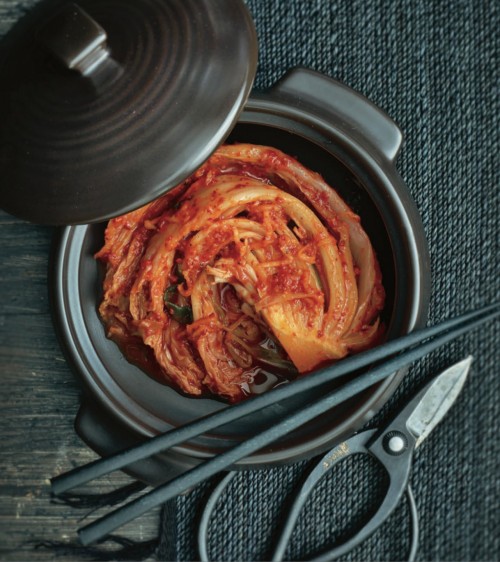
There's nothing like homemade kimchi, where you can tweak the flavors to suit your taste buds. Although, I do believe I've perfected my kimchi recipe and so I will share you the link here: Cabbage or "Pogi" Kimchi recipe.
But if you're all about convenience, no worries! You can snag some top-notch kimchi from the shelves of your local Asian supermarket or online at Hmart.
Again, choose a premium brand like Jonga to make the most out of your fried rice efforts.
Ingredients:
The beauty of this dish is that it's like a food scrapyard—in a good way! You can toss in just about anything you have lying around, and it'll be delicious. It is a truly thrifty meal option.
For the ultimate Kimchi Fried Rice, you'll want to reach for short-grain rice, like Korean or Japanese rice. It's sticky, it's flavorful, and its perfect for this dish.
Find out more about each ingredient and where to buy it by clicking on the ingredient links below!
Ingredients
serves 4
- 2 tablespoons vegetable oil
- 2 strips (45 grams or 1 3/4 ounces) bacon, diced (optional)
- 2 carrots, julienned and then coarsely chopped
- 1 clove garlic, grated
- 9 shiitake mushrooms, stems removed and sliced lengthwise into quarters
- 1/2 zucchini, julienned and coarsely chopped
- 3 spring onions or scallions, finely sliced
- 1 cup (300 grams) cabbage kimchi, chopped into small pieces
- 4 cups (740 grams) cooked short-grain rice
- 1 teaspoon sea salt or kosher salt
- 8 grinds black pepper
- 4 soft sunny-side up fried eggs (optional)
- Sprinkle Korean chilli flakes (gochugaru)
- Sprinkle freshly ground black pepper
Method
- Heat the vegetable oil in a large skillet over medium-high heat, add the bacon and saute until the edges are crispy, 2 to 3 minutes.
- Using a slotted spoon remove the bacon from the skillet and let drain on kitchen towels.
- Reduce the heat to medium and add the carrots and garlic to the skillet. Cook, stirring constantly, until carrots are just softened, 2 to 3 minutes.
- Then mix in the mushrooms, zucchini, 2 of the spring onions and the kimchi, and continue to saute until tender, 4 to 5 minutes. Return the bacon to the pan.
- Add the rice and mix to incorporate well using a wooden spoon to break up the rice. Season with salt and pepper.
- Transfer the fried rice to a serving plate or platter, top with the fried eggs and garnish with the remaining spring onions and a sprinkle of Korean chilli flakes and black pepper.
Notes
Place the kimchi in a bowl and use kitchen sheers to cut it into small pieces. Kimchi can stain your cutting board and make it smell. Use the julienne blade on a mandolin or a julienne peeler to cut the carrots and the zucchini. After making long thin pieces, use knife to cut down to small pieces.
Restaurants
Explore Seoul’s fun, vibrant and colourful flavours at our Korean-American street-food restaurant: Seoul Bird. Visit and celebrate with us.
Alsace Tarte Flambée (Flammekueche)
Judy’s Korea
Judy’s ultimate guide to Korean food. Get started on your journey! Find out the chef’s top kitchen necessities and best places to eat in Seoul.
GOCHUJANG SALMON WITH MULTI GRAIN RICE
Shop online
Shop cookery books and affiliated discounts for Judy’s favourite luxury kitchenware, home accessories and beauty products.